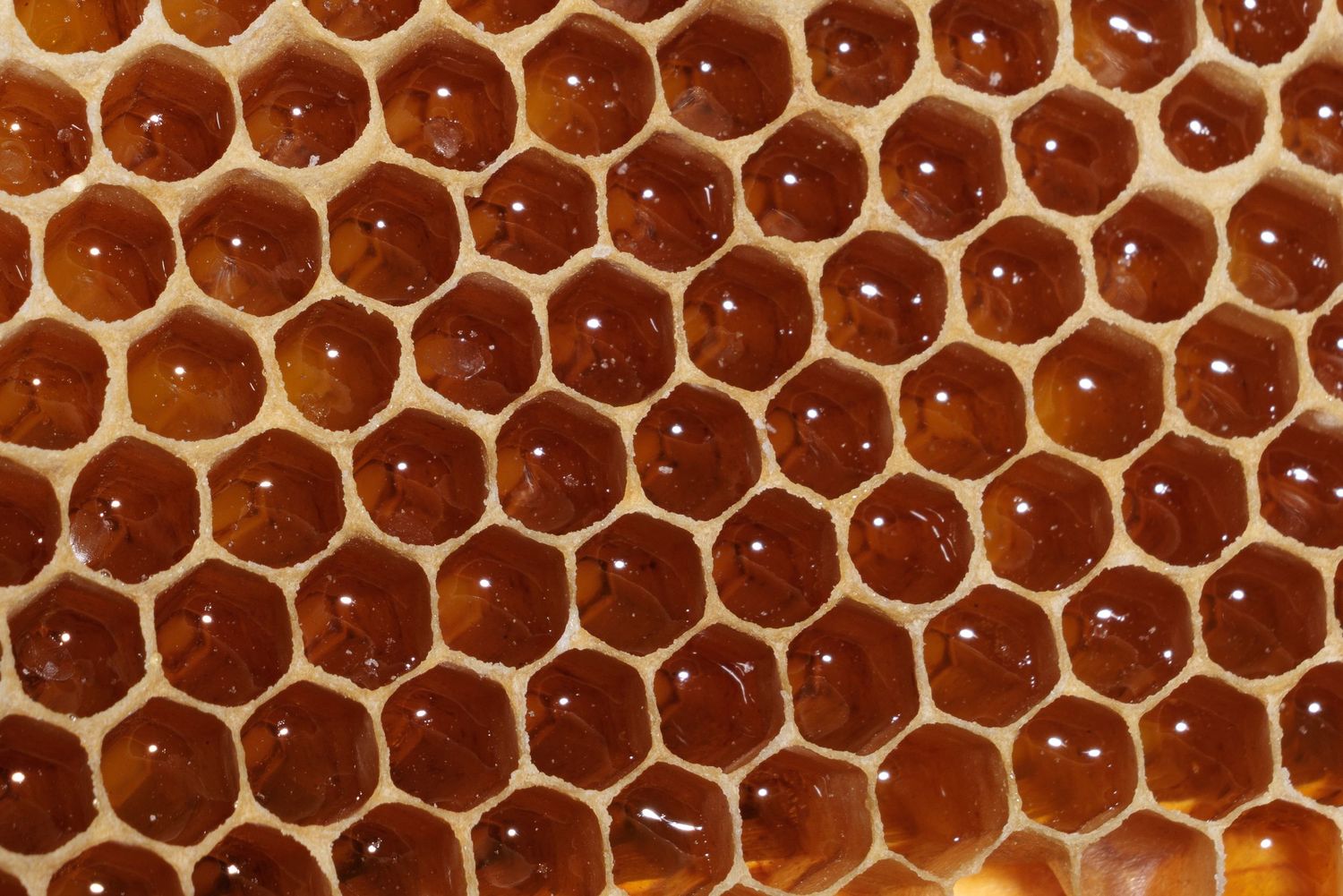
The Craigslist Origin Story
When Borke couldn’t keep bees in his own backyard, he posted a Craigslist ad:
You give me land. I give you honey.
Thirty people responded.
The first lease? A co-op near Chautauqua—until a bear showed up.

Boulder Valley Honey head beekeeper Chris Borke poses for a portrait among his hives on June 19, 2025 in Boulder, Colorado. Pollinators contribute over $30 billion annually to U.S. agriculture, but rising threats like climate volatility, habitat loss, and Varroa mites have left many beekeepers struggling to maintain healthy colonies. (Photo by Andrew Wevers/Getty Images)
Chris Borke graduated from CU Boulder in 2014 with degrees in Electrical and Computer Engineering and Computer Science. He raced with the club triathlon team, but his real passion was bees.
When Chris Borke first got into beekeeping, he didn’t have land—and his landlord made it clear the backyard wasn’t an option.
“He was like, absolutely not. Your roommate already has chickens,” Borke said. “I’m not subsidizing a farm in downtown Boulder.”
So Borke turned to Craigslist.
He posted a simple ad: I’ll keep bees on your property in exchange for honey. I’ll bring the equipment, handle the care—no work required on your end. Within three weeks, he had about 30 responses.
His first honey lease was in the backyard of a Boulder co-op near Chautauqua. It was a productive site, but also a lesson in front-range wildlife.
“That yard got hit by a bear,” Borke said. “It was before we used electric fencing.”
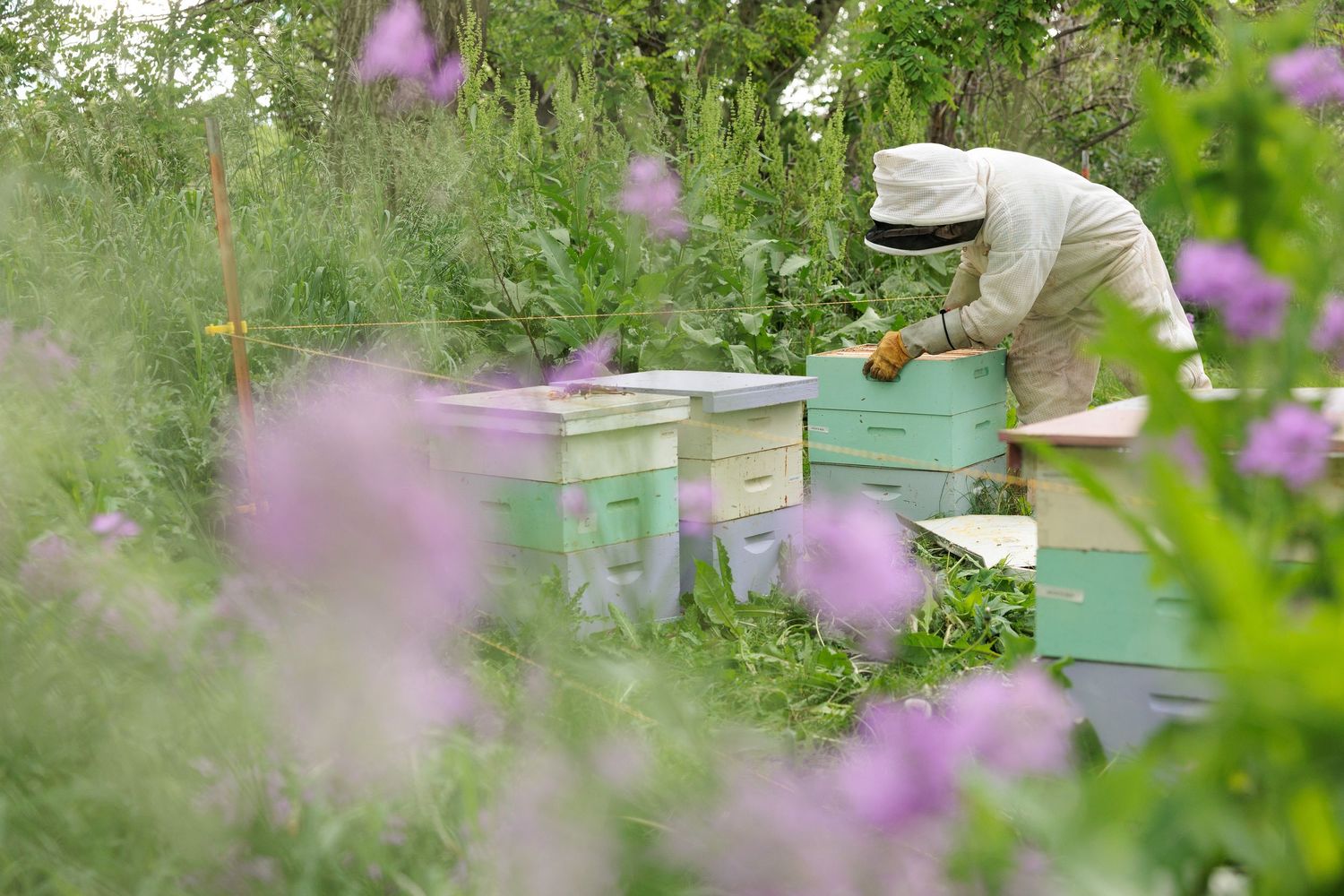
Boulder Valley Honey head beekeeper Chris Borke inspects hives on June 11, 2025 in Boulder, Colorado. (Photo by Andrew Wevers/Getty Images)
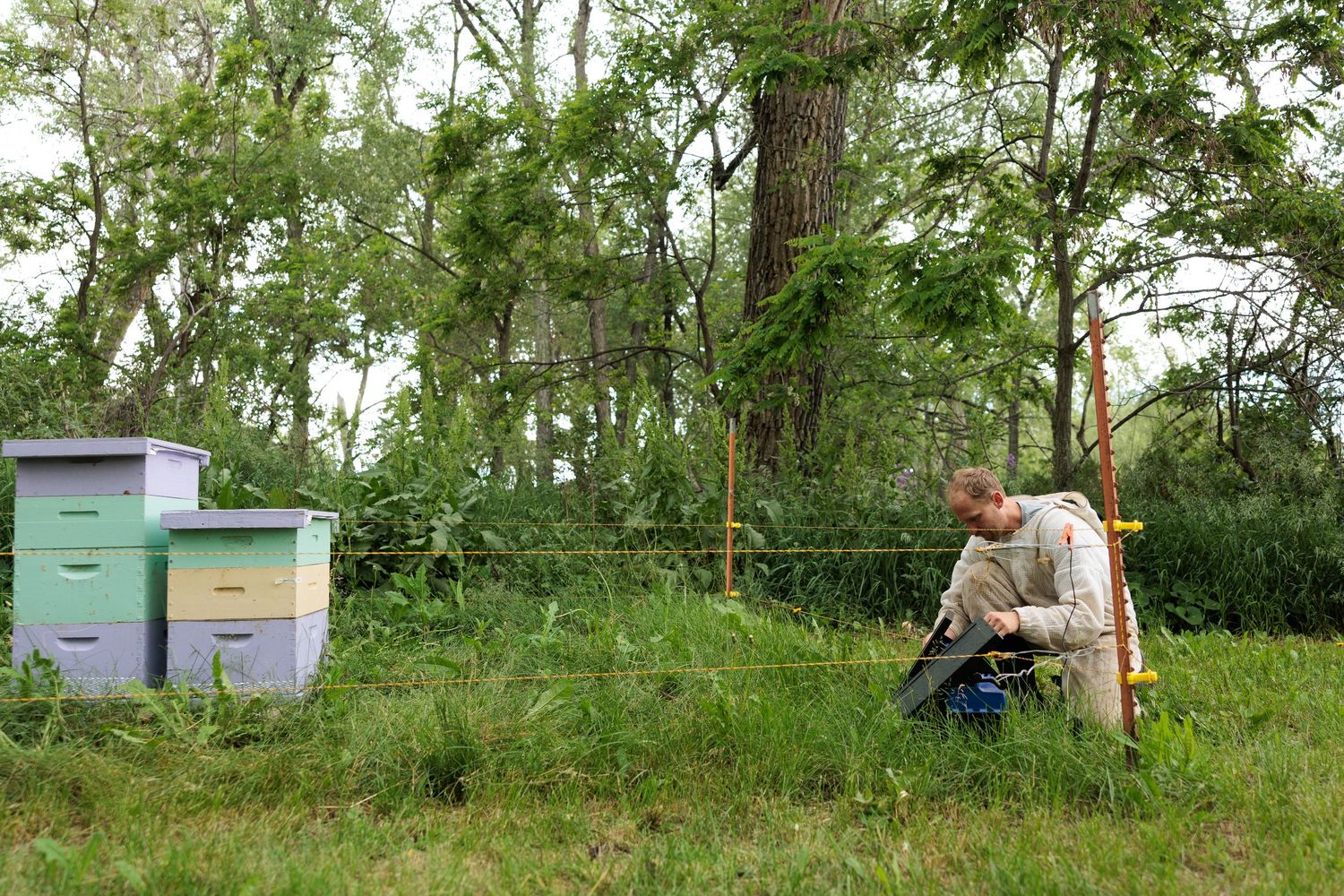
Boulder Valley Honey head beekeeper Chris Borke changes the battery on an electric fence used to deter bears and other would-be honey thieves on June 11, 2025 in Boulder, Colorado. (Photo by Andrew Wevers)
Lacking a truck—or even a car—Borke and his then-girlfriend (now wife) rented a furniture dolly from Home Depot, suited up, and rolled the hives down from Chautauqua to Pearl Street by hand.
“We got a lot of looks,” he said. “But people just assumed we were college kids moving furniture.”
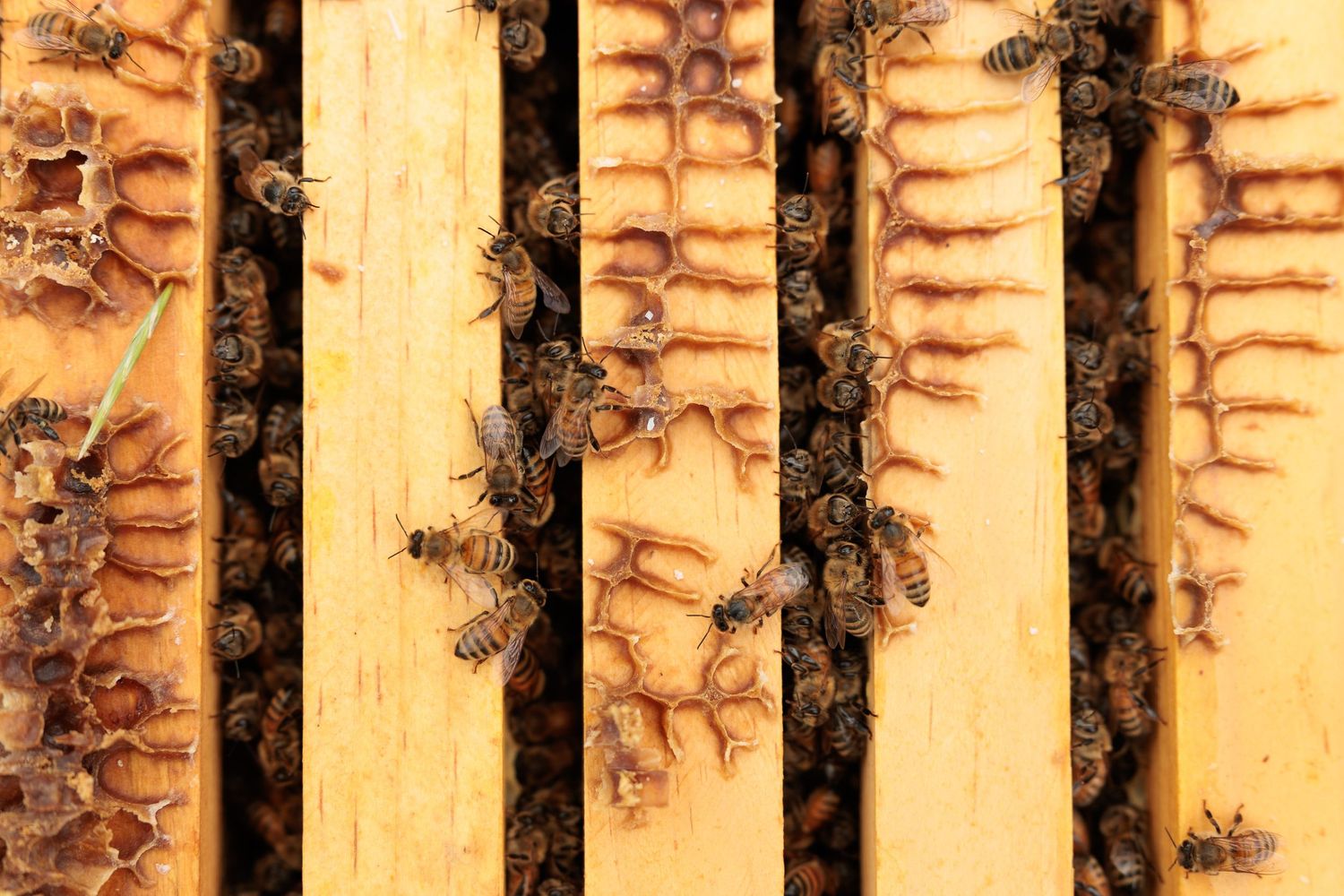
Boulder Valley Honey bees roam in their hive on June 11, 2025 in Boulder, Colorado. (Photo by Andrew Wevers/Getty Images)
A City in a Box
Borke’s interest in bees started as a personal curiosity. “I started keeping bees in 2013. I started off as a hobbyist. I had two beehives,” he said. “I was studying two degrees—one in electrical and computer engineering, and a second in computer science—and beekeeping was very much just a fascinating hobby, looking at the kind of network interactions of this effectively a city in a box.”
His interest soon became something more. “I founded the business in 2017 as what we call a sideliner. It goes hobbyist, sideliner, and then commercial—which I’m just getting into now, with hundreds of beehives,” he said.
Borke never had a formal mentor, instead learning through trial, error, bear attacks, and books like The Hive and the Honey Bee, which he still references—his copy dating back to 1910.
Today, honey leases are the foundation of Boulder Valley Honey’s hyper-local footprint. Distinct purple and pink hive boxes—often painted with leftover cans from the Home Depot “oops” pile—are tucked into front yards, community farms, and tucked-away corners across the county.
“We’re always looking for new leases,” Borke said. “Now we get to be a little choosy. We try not to saturate an area or compete with other beekeepers.”
The system isn’t just about finding land—it’s about building relationships. Each lease is a micro-partnership that supports both pollination and local food production.
If Chris Borke’s bees—and those from other local hives—were to disappear tomorrow, farmers across Boulder County could face an invisible crisis. Crops might bloom but fail to bear fruit. Grocery stores could see fewer peaches, pumpkins, herbs, and melons. And hundreds of thousands of bees would no longer be tending to the fragile ecosystem they help support.

Bees "festoon" in their hives on Wednesday, June 11, 2025 in Boulder, Colorado. (Photo By: Andrew Wevers) Bees “festoon” inside the hive—linking legs to form a living scaffold that helps bridge open space and build comb. Each bee grips another with tiny hooks on its legs, creating a chain strong enough to support their collective work.
A Fragile System, Built on Wings
Modern beekeeping is increasingly defined by crisis. Climate instability, habitat loss, and pesticide exposure all pose risks—but perhaps none more insidious than the Varroa mite, a parasitic insect that attaches to bees and spreads deadly viruses like deformed wing virus and Lake Sinai virus.
“They’re like a backpack-sized tick to a bee,” Borke said. Once inside a hive, they can cause total collapse—and transmit that collapse up to 10 kilometers away.
While early treatments like fluvalinate were once effective, Varroa mites have adapted. Borke now rotates organic acids, brood breaks, and timed treatments to outpace resistance. “You can’t hit the same nail with the same hammer every time,” he said.
Bees are more than backyard bugs—they’re infrastructure. In the U.S., pollinators contribute up to $34 billion annually to agriculture. Globally, they enable one in every three bites of food we eat. Yet beekeepers everywhere are under pressure: mites, monoculture, climate change. In this context, Boulder Valley Honey isn’t just a local business—it’s a test case for whether community-scale systems can still hold together a collapsing food chain.
Across backyard gardens, community farms, and pockets of wildflower-dappled land, Borke’s bees move quietly and relentlessly—pollinating, stabilizing, and producing thousands of pounds of local honey each year. At the center of it all is Boulder Valley Honey, a hyper-local operation founded not on profit, but on sweat, science, and community barter.
“Beekeepers are a fringe bunch,” said Borke. “We’re rooted in science, integrity, and community.”
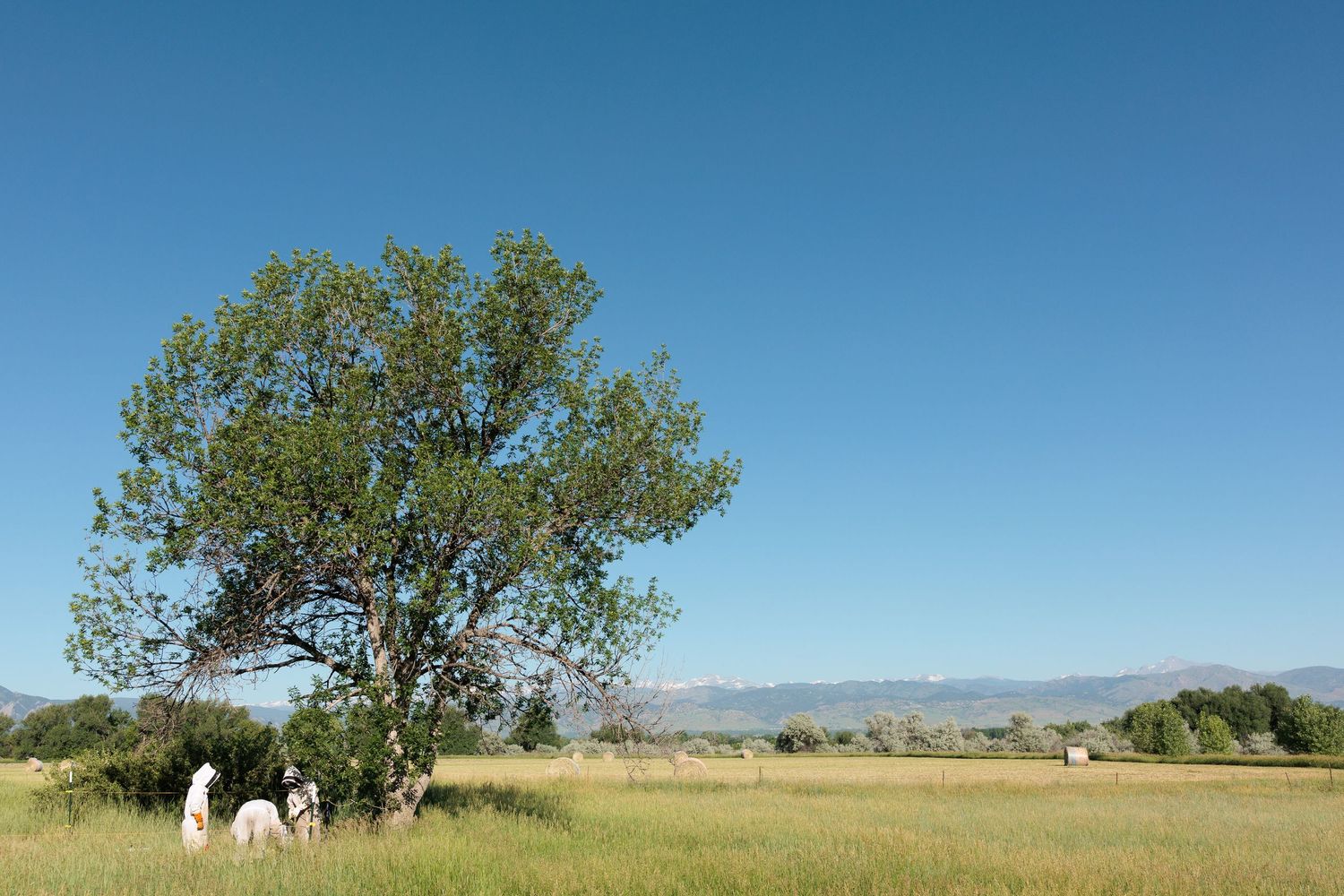
Boulder Valley Honey Beekeepers Lindsay Hahn, Eric Knox and Chris Borke tend to hives on June 19, 2025 in Boulder, Colorado. This site is one of many that Borke implements a honey lease at in exchange for the land usage . (Photo by Andrew Wevers/Getty Images)
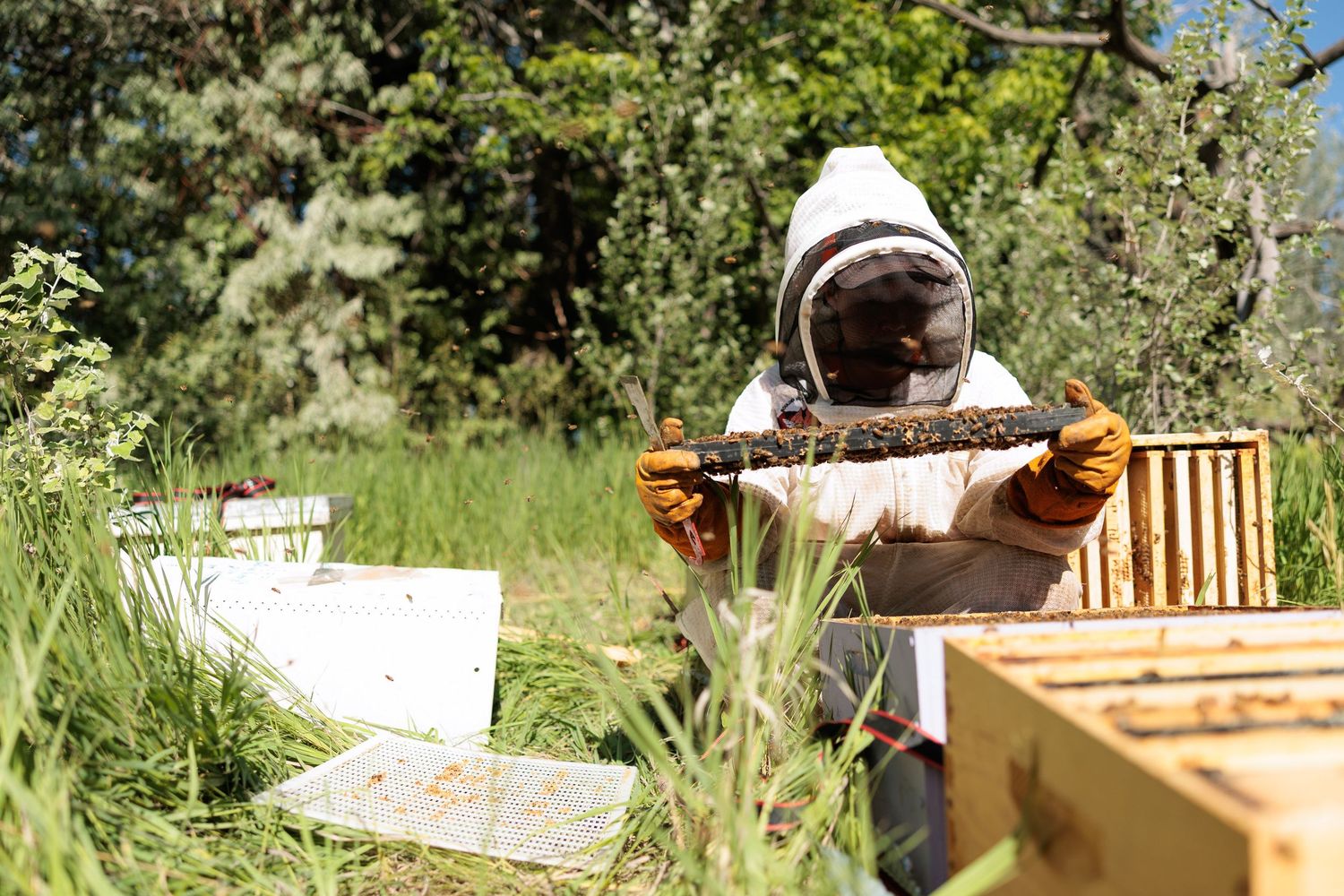
Boulder Valley Honey beekeeper Lindsay Hahn tends to hives on June 19, 2025 in Boulder, Colorado. (Photo by Andrew Wevers/Getty Images)
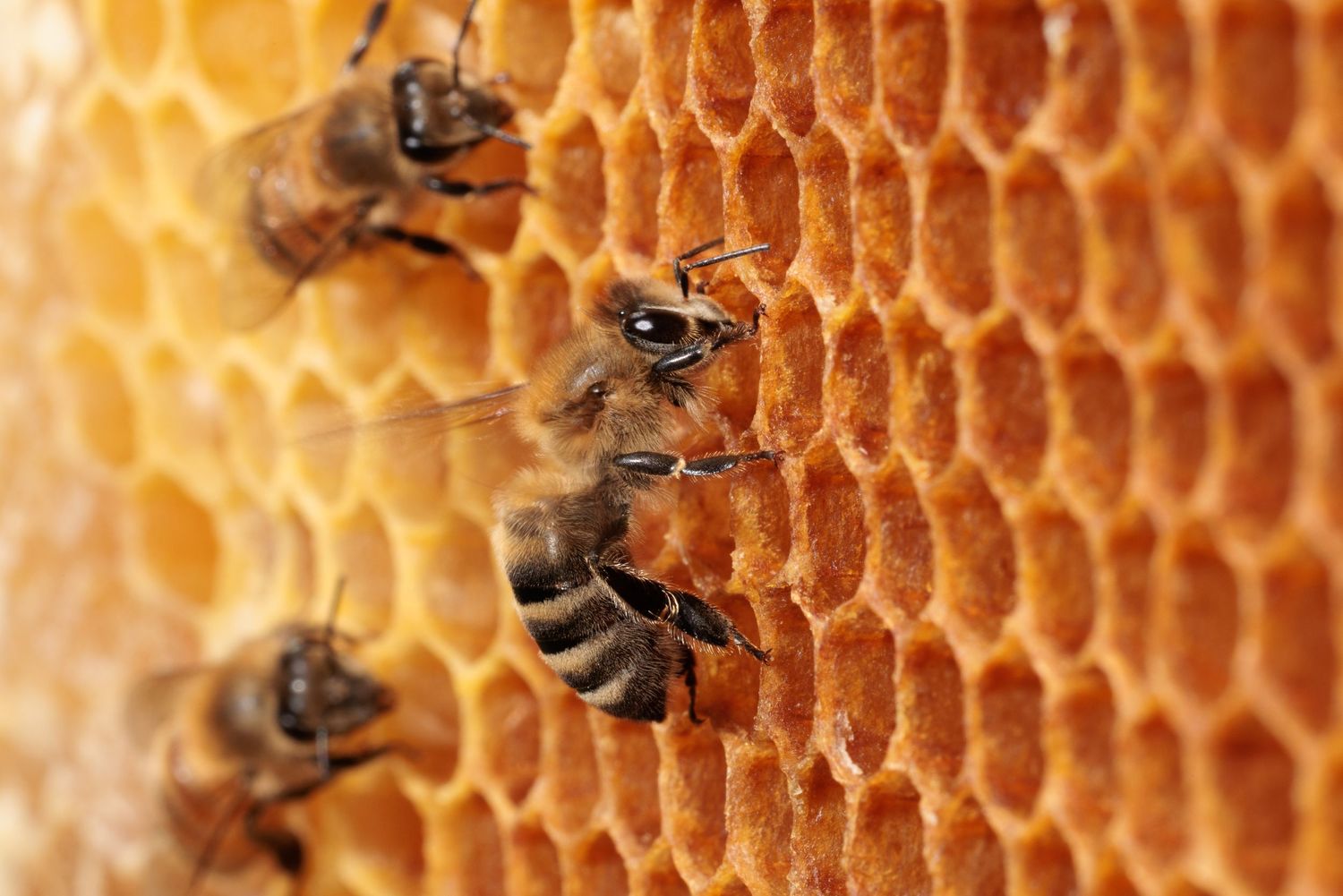
Boulder Valley Honey bees roam in their hive on June 19, 2025 in Boulder, Colorado. (Photo by Andrew Wevers/Getty Images)
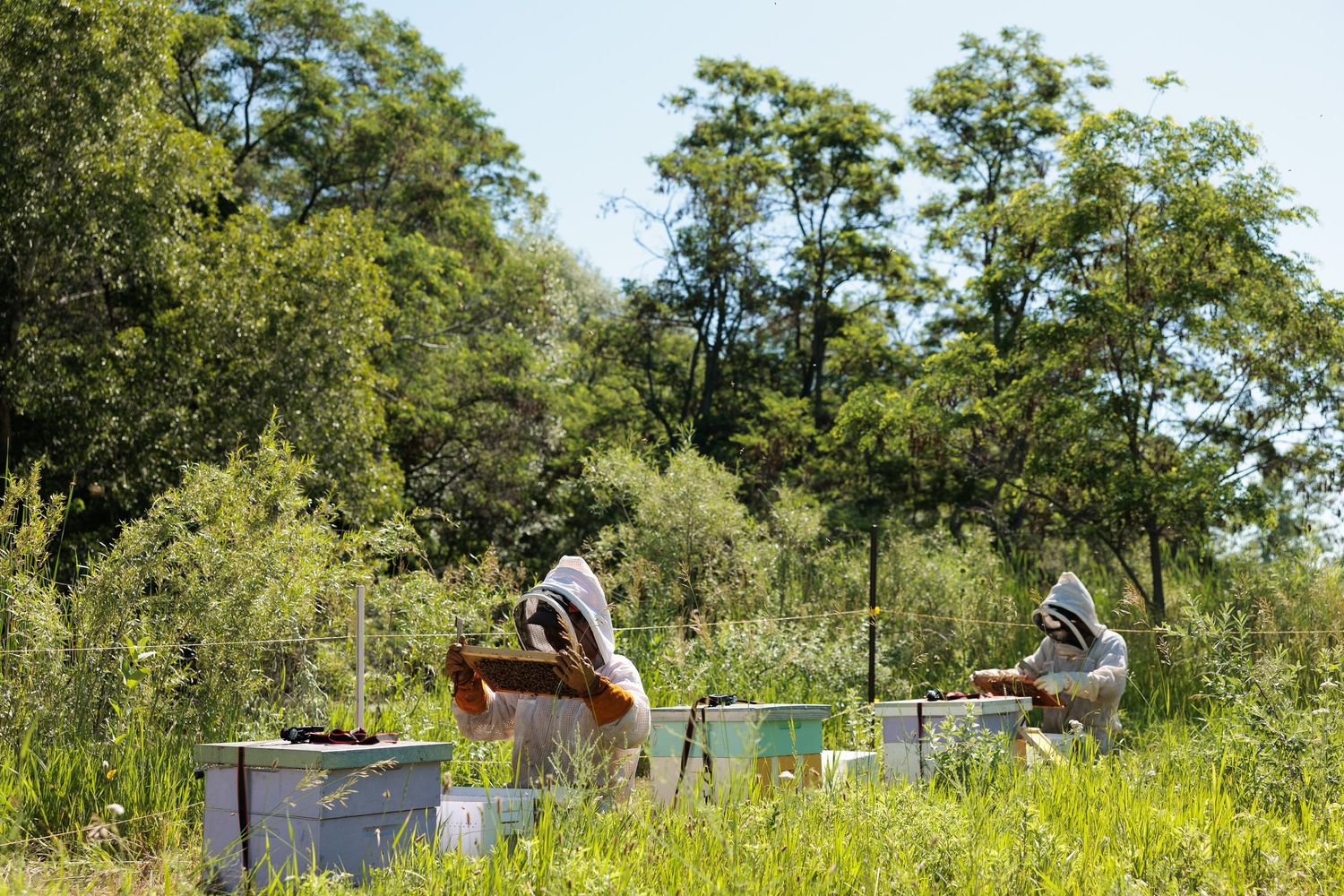
(L-R) Boulder Valley Honey beekeepers Lindsay Hahn and Eric Knox tend to hives on June 19, 2025 in Boulder, Colorado. (Photo by Andrew Wevers/Getty Images)
Built Like a Co-op, Run Like a Crew
Boulder Valley Honey isn’t built around hierarchy. It’s a co-op in spirit, run by a tight-knit team where everyone does everything—grafting queens, building hive boxes, harvesting honey, and managing the bees through every season.
At the center is head beekeeper Chris Borke, but the work is shared by a small crew: Eric Knox, Lindsay Hahn, and Savanna Johnson.
Knox and Borke go way back. They raced together on the CU Boulder triathlon team and reconnected by chance one spring day while walking around Waneka Lake. Borke had a question: “What are you doing this summer?” That turned into a job offer, a few days of reflection, and, eventually, a full season in a bee suit.
“It really was just a who-you-know situation,” Knox said. “Don’t ever burn bridges—you never know when you’ll run into someone again.”
Savanna Johnson also joined through a close connection—Borke’s wife, Megan, was her best friend in high school. When help was needed, she jumped in. That was three years ago. Today, she works through the on-season and helps keep the rhythm of the operation steady.
Each team member brings a different skill set, and there are no job titles or task silos. The ethic is simple: everyone sweats, everyone learns, everyone builds.
“I’m tired of corporate ladders,” Borke said. “We all do everything here.”
Financially, the team follows an old farming rule of thumb: save 20% of each season’s revenue. “You plan for three good years, two bad ones, and one bumper crop,” Borke explained. “That’s the math.”
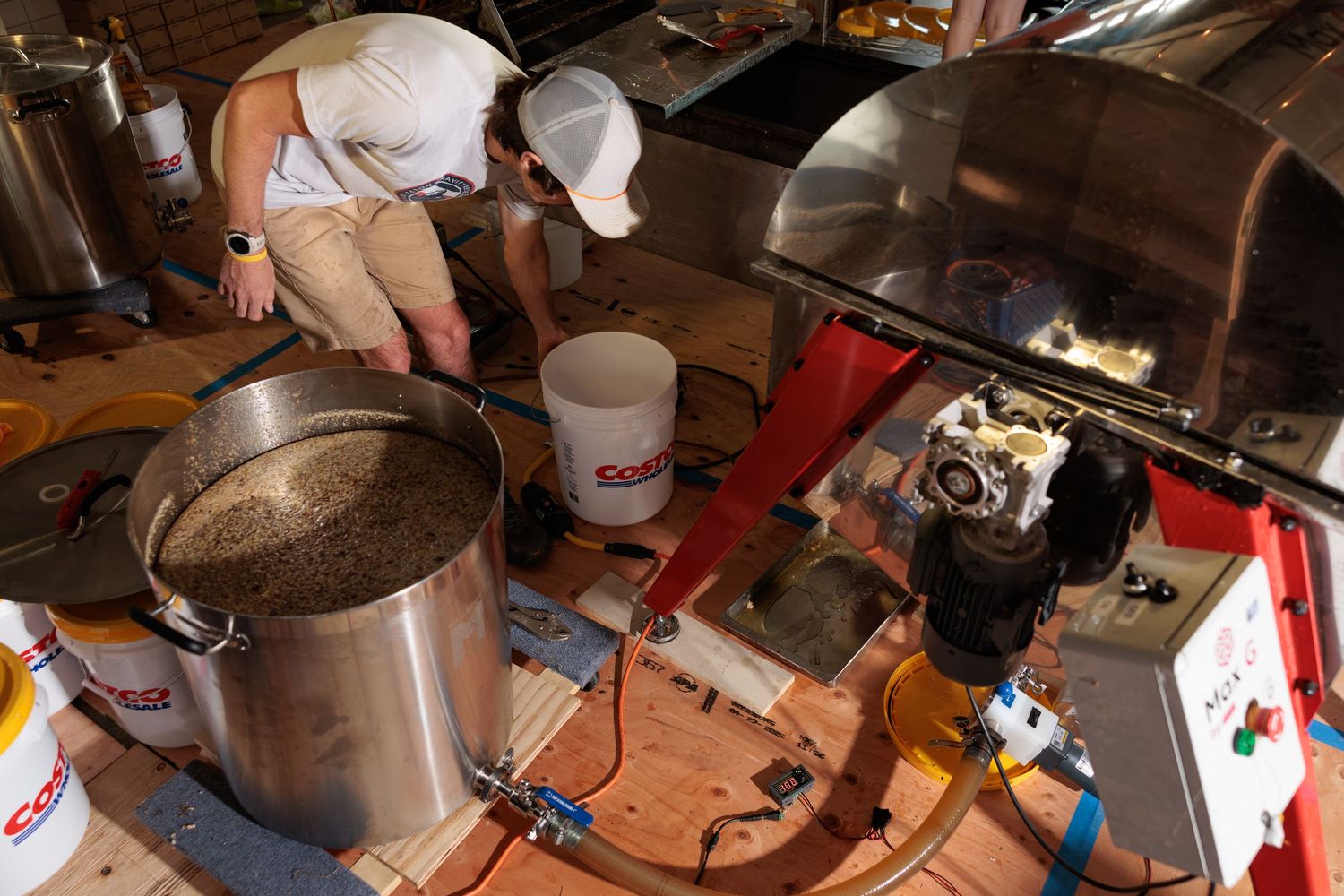
Beekeeper Eric Knox processes honey in the Growing Gardens Community Kitchen on July 3, 2025 in Boulder, Colorado. The team utilizes this facility as it meets the USDA's standards for food safety and processing. (Photo by Andrew Wevers)
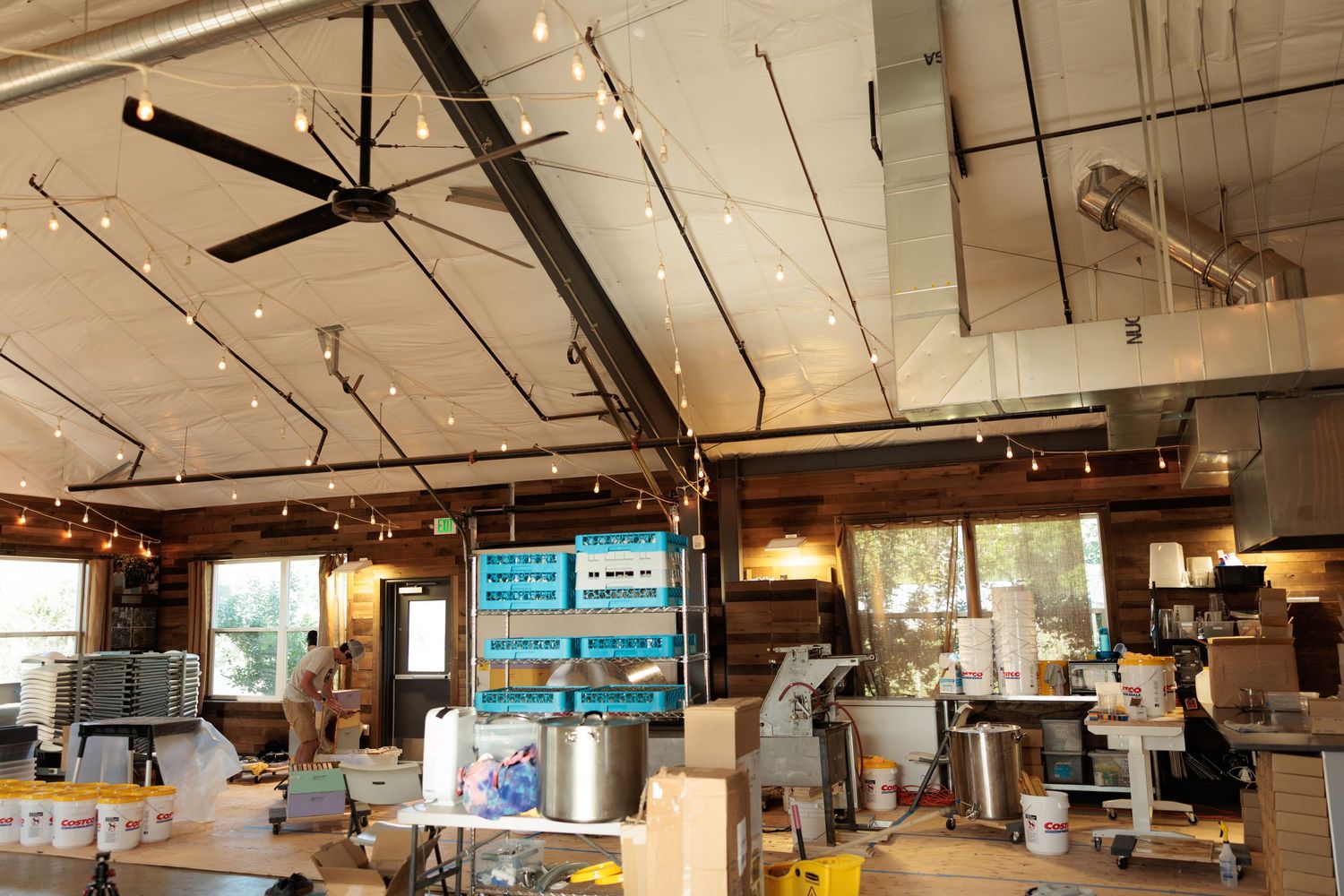
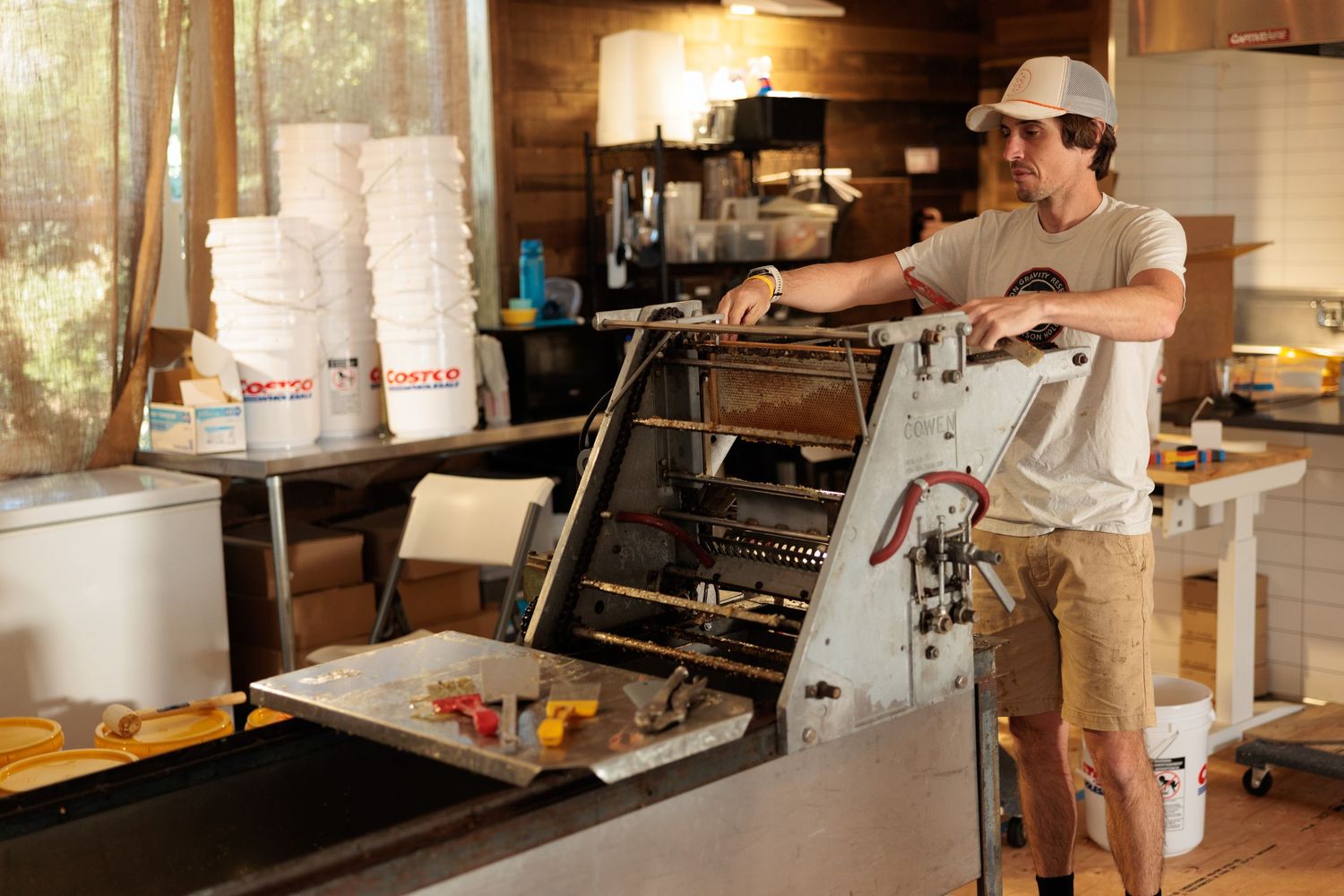
Beekeeper Eric Knox processes honey in the Growing Gardens Community Kitchen on July 3, 2025 in Boulder, Colorado. (Photo by Andrew Wevers)
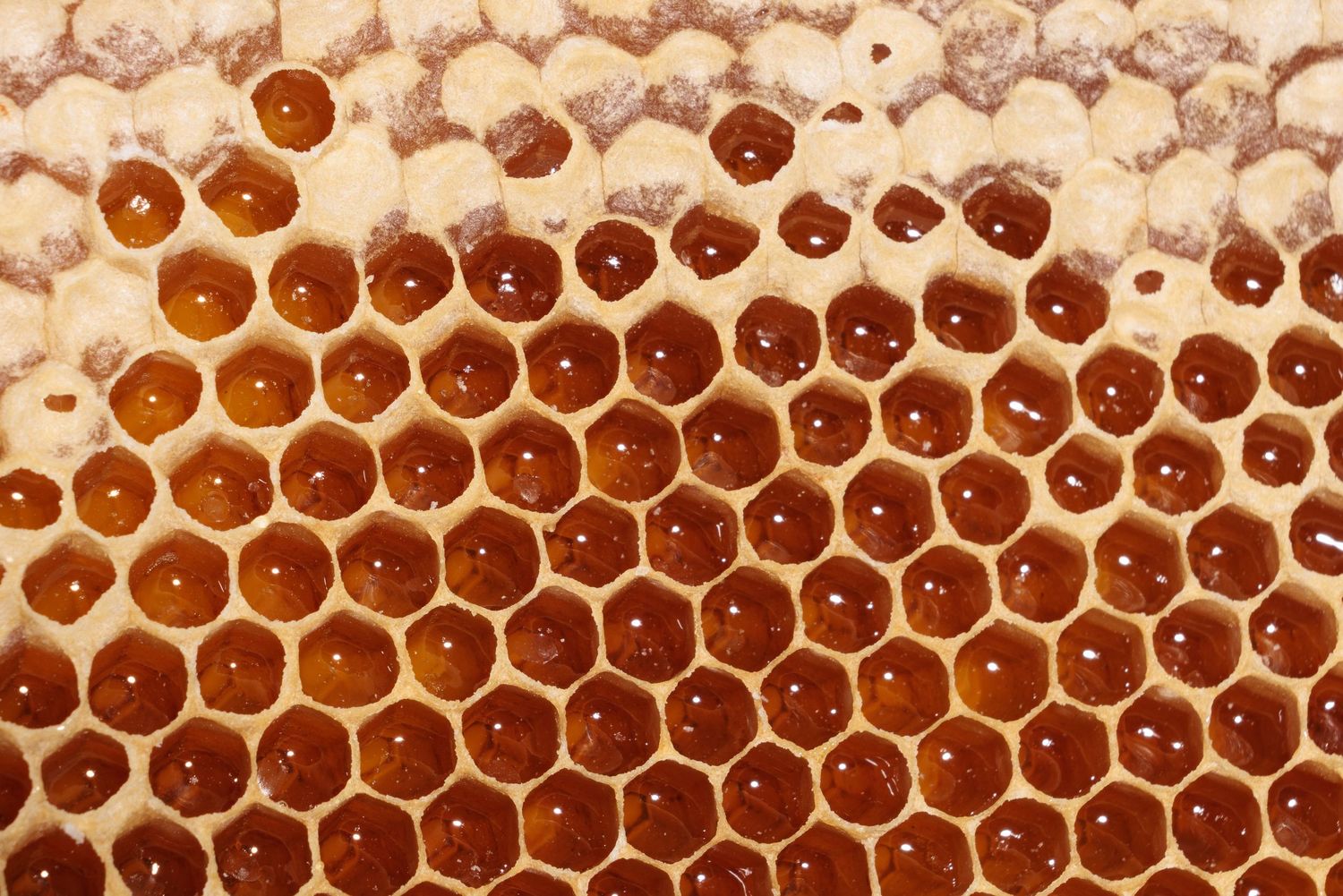
A detailed view of capped and uncapped honey in a Boulder Valley Honey super at Growing Gardens on July 3, 2025 in Boulder, Colorado. (Photo by Andrew Wevers/Getty Images)

A detailed view of processed honey at Growing Gardens on July 3, 2025 in Boulder, Colorado. (Photo by Andrew Wevers/Getty Images)
From Hive to Harvest at Growing Gardens
In central Boulder, Borke maintains hives through a partnership with the nonprofit Growing Gardens, where he not only oversees honey production but also helps lead educational efforts for students and community members. The honey is processed in a certified commercial kitchen with an extraction line—knife uncapper, chain drive, and a 10-frame centrifugal spinner—ensuring food safety and scalability.
“Honey is really safe. It’s one of the only foods that’s doubly antimicrobial—both by mechanical dryness and enzymatic activity,” Borke said. “In a sealed container, it’ll actually desiccate the bacteria.”
Boulder Valley Honey is certified by the Colorado Department of Agriculture, and all products are sold raw and unfiltered—retaining pollen, enzymes, and flavor that industrial honey often loses.
At Growing Gardens, the hives serve both agricultural and educational purposes. Megan Reynoso, the organization’s Education Program Director, has worked with Borke for the past few years. She says his presence on the farm goes far beyond beekeeping logistics.
“He’s always pretty excited and, like, happy to have people accompany him to the hive and ask questions,” Reynoso said. “He knows everything, so it’s really fun to do that.”
In addition to leading official honeybee classes for teens and families at their Boulder and Longmont sites, Borke often offers spontaneous lessons for interns or visitors whenever he’s on the property.
Reynoso says the partnership works so well because it reflects Growing Gardens’ own mission: connecting people to food and land through hands-on learning.
“We get the chance to work with over 6,000 kids every year,” she said. “They plant it, weed it, learn about it—and sometimes they get to taste fresh honey right from the hive. The farm is a really special place.”
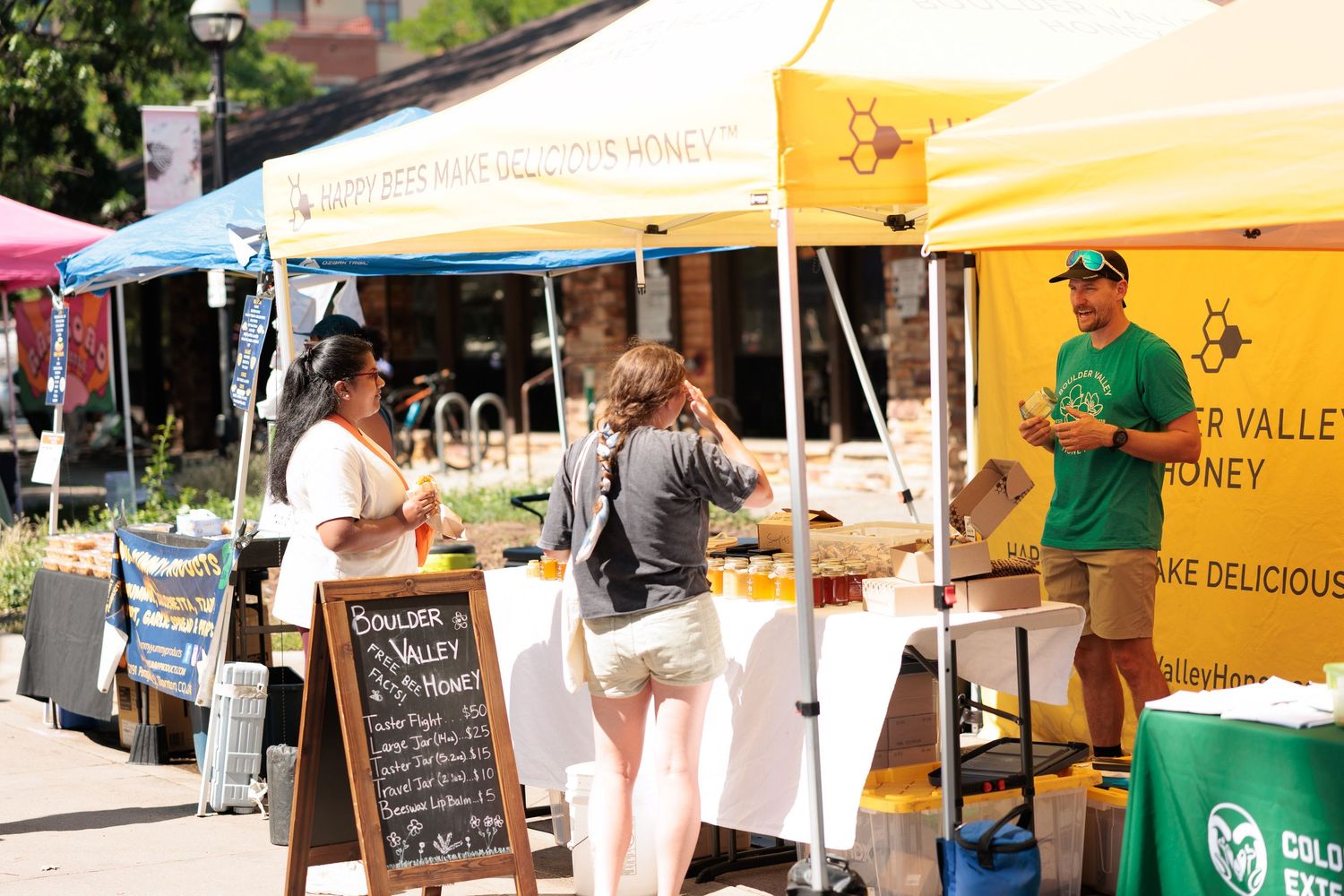
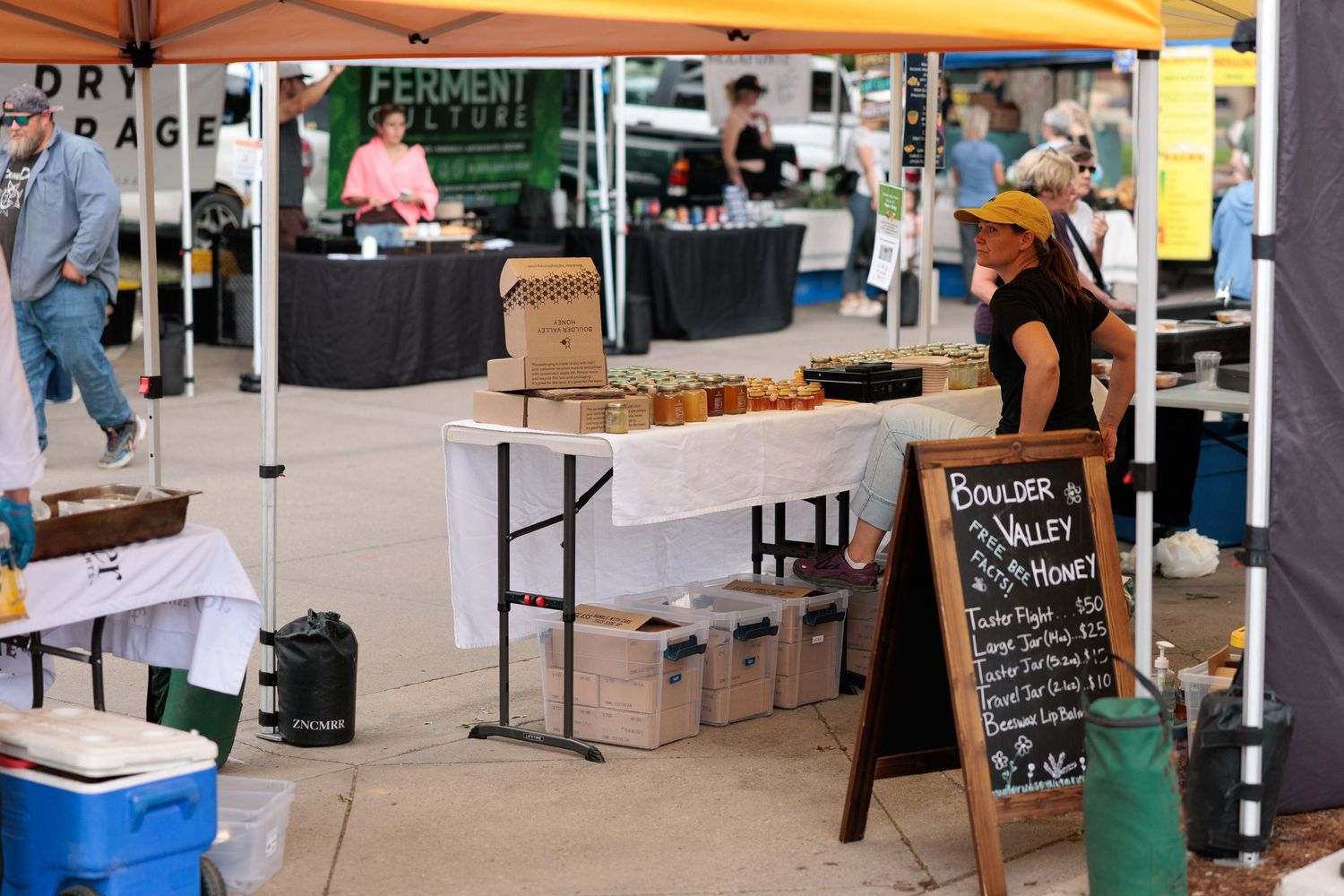
Boulder Valley Honey head beekeeper Chris Borke talks to customers at the Boulder Farmers Market on June 18, 2025 in Boulder, Colorado. (Photo by: Andrew Wevers)
Bee Facts: Free
Borke doesn’t just drop off products—he shows up. Every Wednesday and Saturday at the Boulder Farmers Market, he hands out samples, answers questions, and watches customers react to his honey.
“That moment when someone tastes it and says, ‘Whoa’—you can’t fake that,” he said.
For him, the market is about more than sales—it’s about transparency in a world where trust in honey has been eroding. In March 2023, the European Commission’s JRC reported that 46% of imported honey samples were suspected of adulteration, often diluted with sugar syrups or mislabeled by origin.
Each jar reflects the season and the land—infused with nectar from clover, alfalfa, and wildflowers across Boulder County.
By showing up face-to-face, Borke offers customers something they can’t get from a barcode or a supermarket shelf: connection.
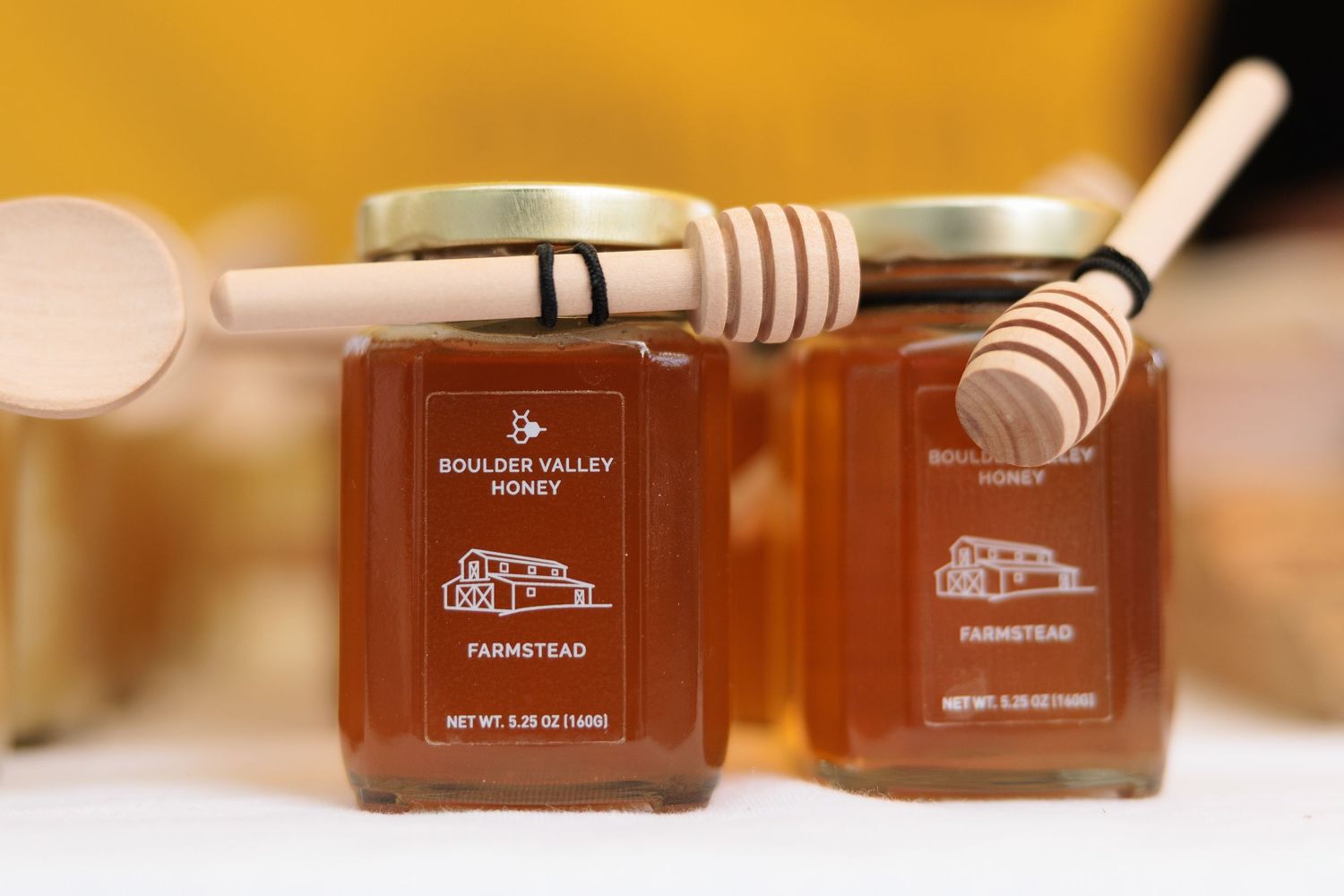
A detailed view of honey at the Boulder Farmers Market on June 11, 2025 in Boulder, Colorado. (Photo by: Andrew Wevers)
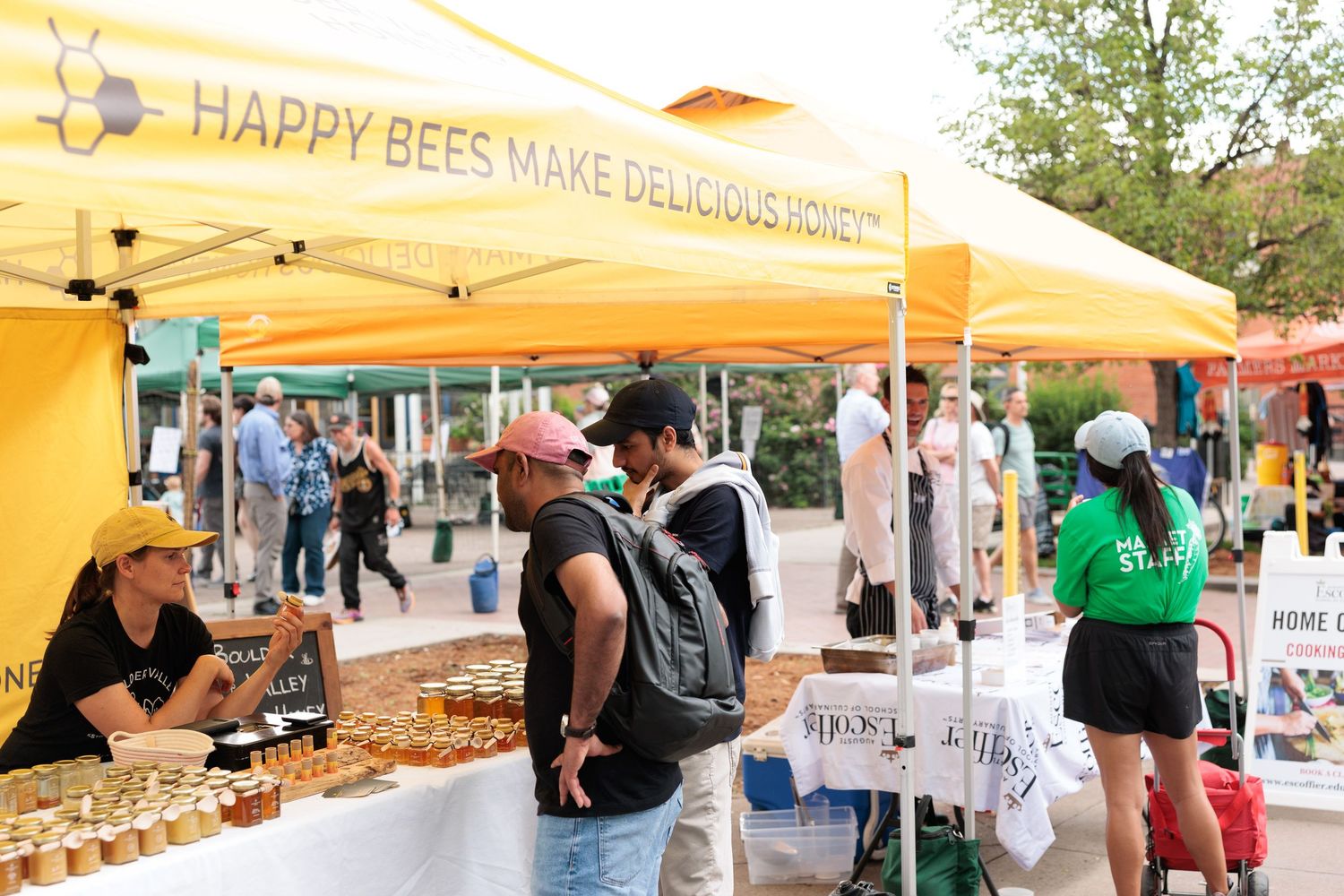
Boulder Valley Honey beekeeper Lindsay Hahn talks to customers at the Boulder Farmers Market on June 11, 2025 in Boulder, Colorado. (Photo by: Andrew Wevers)
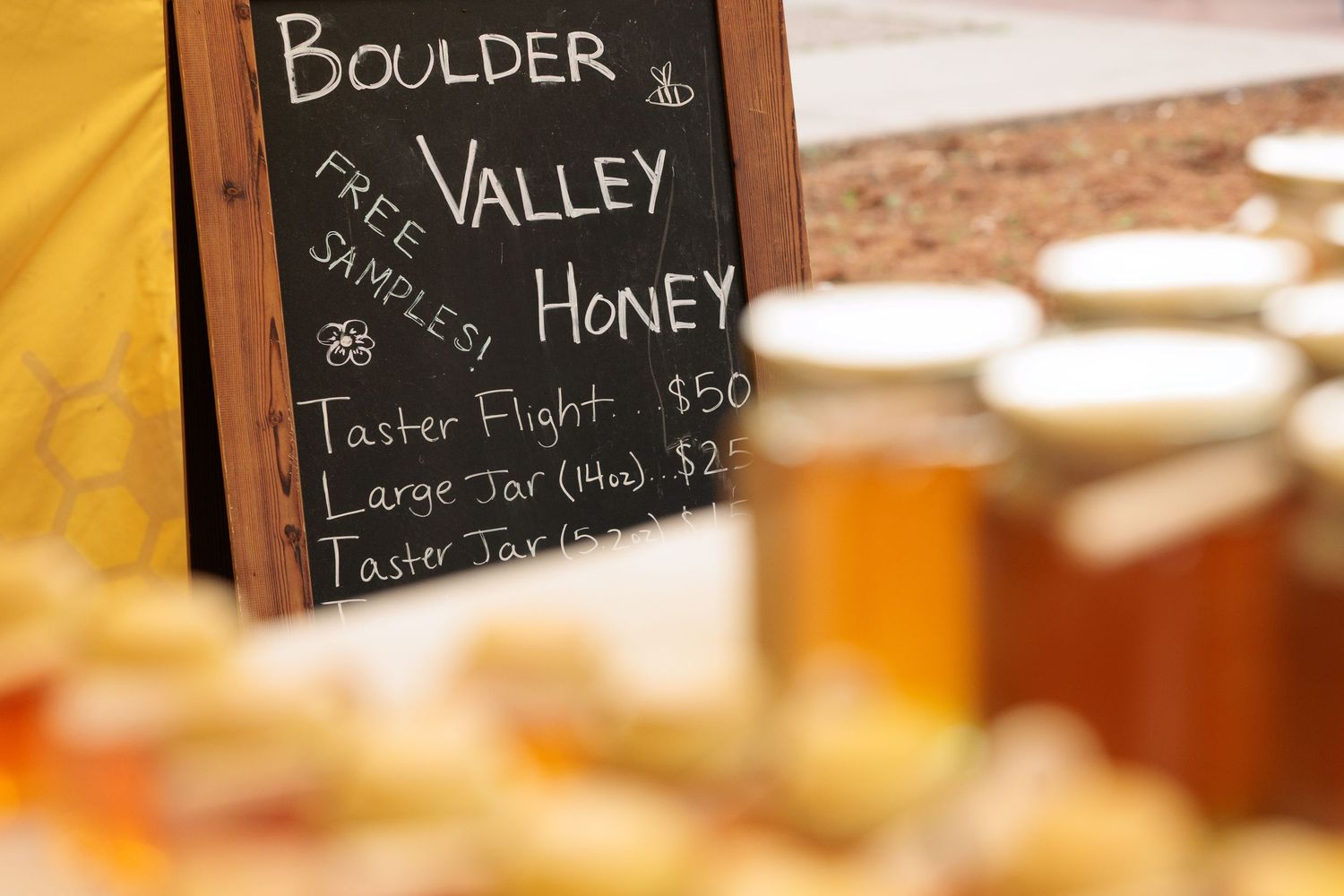
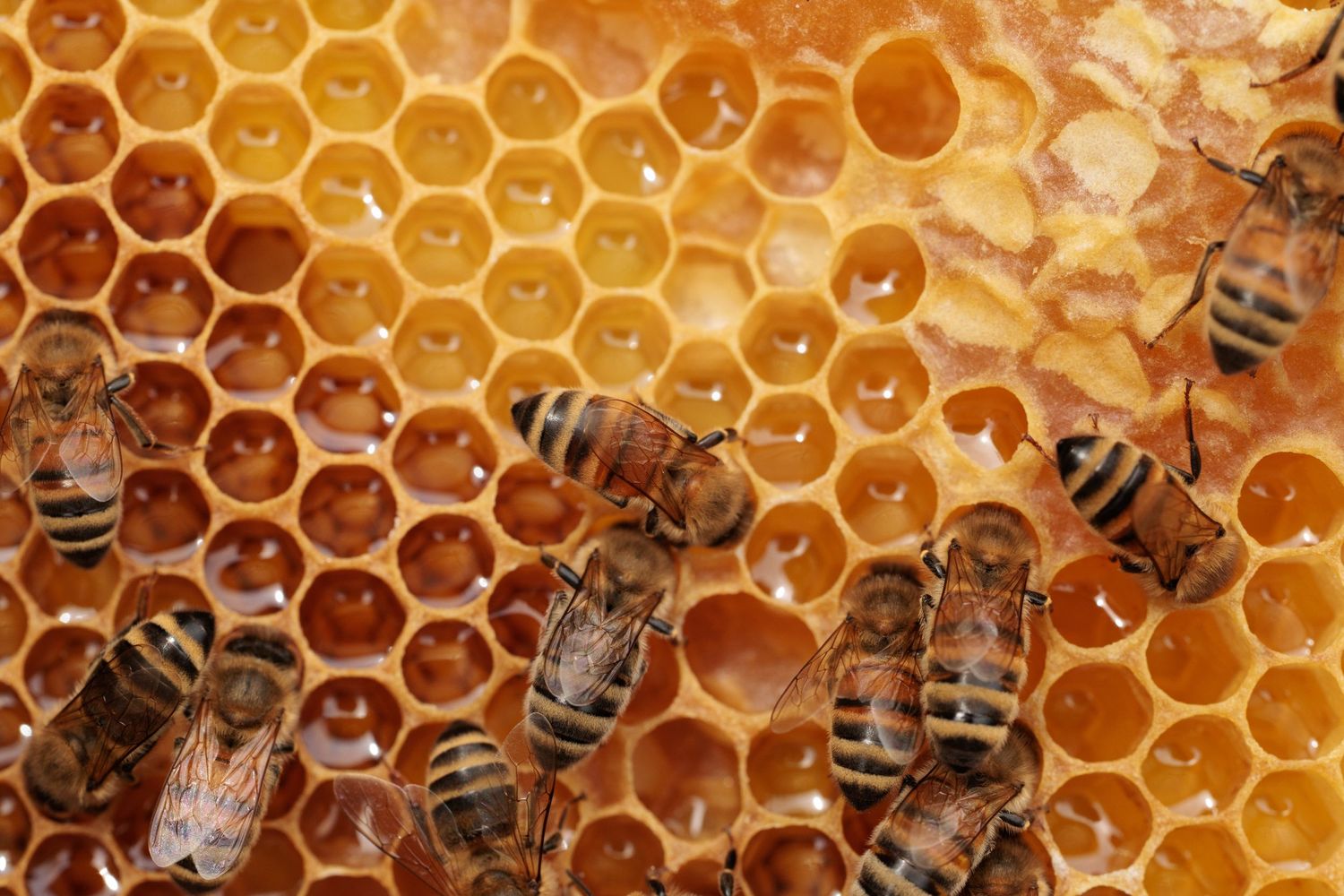
Boulder Valley Honey bees eat honey in their hive on June 11, 2025 in Boulder, Colorado. (Photo by Andrew Wevers)
A Model for Local Resilience
As global pressures mount—from invasive pests to agricultural consolidation—Boulder Valley Honey thrives through small-scale ingenuity, open-source science, and local trust.
Borke’s operation won’t save global agriculture…yet. But it offers a blueprint—small-scale, science-backed, community-rooted—that might just outlast the collapse of bigger systems.
“There’s no way to automate or AI or tech-bro your way out of farming,” Borke said. “It really is sweating it out in the middle of the day and getting your hands dirty and doing the work.”
Story written in CU News Corps
JRNL-4572-5572-301